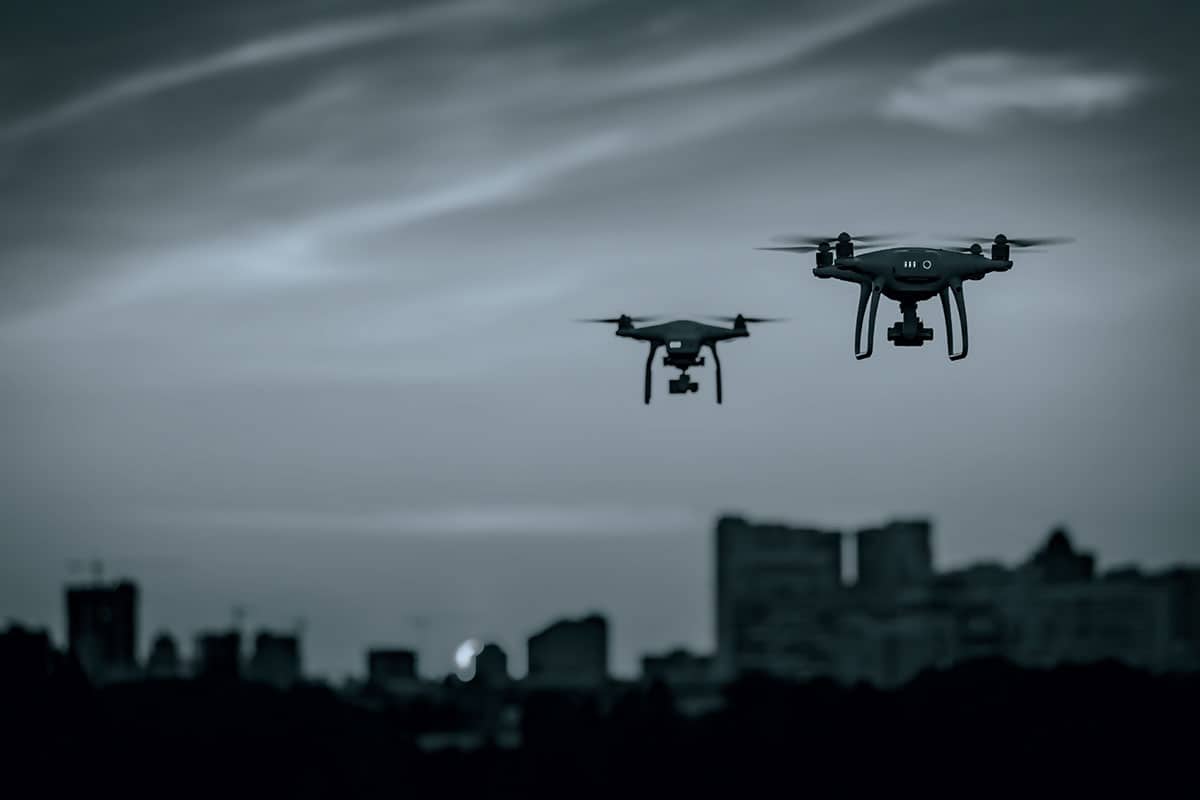




ResilienX has secured a NASA Small Business Innovation Research Phase II award to advance its On-Demand Regional Intelligent Operations Network (ORION), a hardware-agnostic orchestration and data integration layer for coordinating uncrewed aircraft during wildfire, disaster, and emergency response operations.
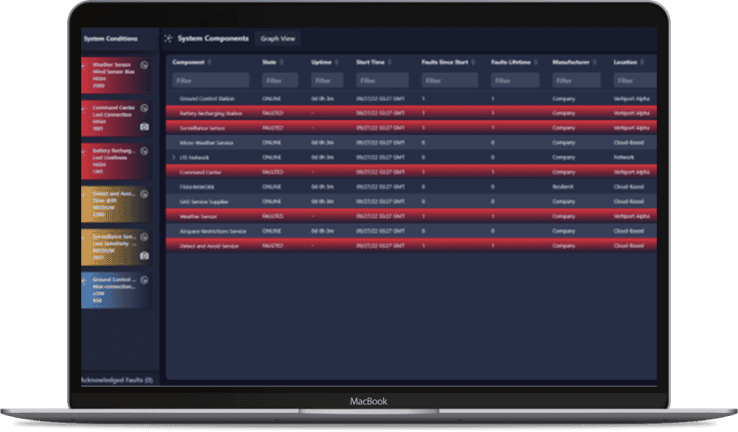
The 18-month program will mature ORION from Technology Readiness Level (TRL) 4 to TRL 7, taking the system from prototype development toward operational demonstration. Wildfire and disaster operations can rely on fragmented, single-platform drone deployments and manual cross-agency coordination, limiting situational awareness during time-critical incidents. ORION addresses this gap by integrating uncrewed aircraft, sensors, communications, Command-and-Control (C2) capabilities, and mission intelligence into a single operational system.
The platform delivers a shared Common Operational Picture while maintaining resilient operations in communications-degraded environments under a human-on-the-loop oversight model. To build the scalable framework, ResilienX is incorporating technologies from multiple industry partners, including Vigilare AI’s TitanOps platform, Hoplynk’s resilient edge networking, cooperative airspace sensing, Pierce Aerospace’s Remote ID sensor, and OneSky’s UAS Service Supplier (USS) platform.
The program will include two operational demonstrations in New York’s Adirondack region, supported by flight test infrastructure and regulatory expertise from NUAIR. The effort aligns with several key NASA initiatives, including the Advanced Capabilities for Emergency Response Operations (ACERO) project, the Airspace Operations and Safety Program, the Advanced Air Mobility National Campaign, and System-Wide Safety research.
ResilienX has identified follow-on opportunities across NASA Langley, Project ULTRA, and FEMA engagement, targeting a serviceable market across more than 300 U.S. metropolitan areas.
Andrew Foster, ORION Principal Investigator and Product Manager at ResilienX, commented, “Living in Colorado, I’ve seen firsthand what wildfires do to communities and to the responders who protect them, and that’s what makes this work personal for me. I’m proud to lead ORION into Phase II and turn what we proved in Phase I into a real capability that helps responders make faster, better-informed decisions.”