Discover World-Leading Unmanned and Autonomous Technologies
Discover cutting-edge solutions from leading global suppliers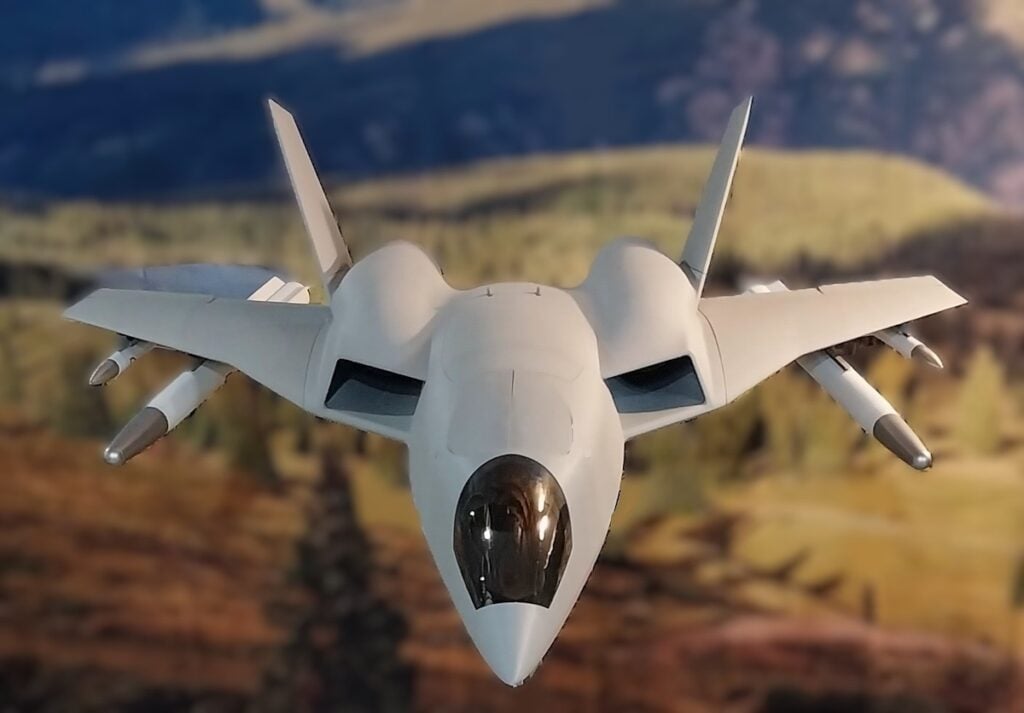
SkyDefense, Inc. has introduced an autonomous vertical takeoff and landing tactical aircraft engineered to detect, track, and neutralize hostile drone threats to critical infrastructure, military bases, and public venues.
The aircraft, known as CobraJet, is available in five trijet configurations designated V4, V6, V8, V10, and VT10, and features a 3D-printed carbon-fiber modular nucleus core structure. Equipped with thrust-vectoring nozzles for maneuvering, the jet’s propulsion relies on electric duct fan motors and high-energy density solid-state batteries for speeds of 360 kph (225 mph) or gas-powered turbojets in a hybrid configuration reaching 560 kph (350 mph). An AI-enabled autopilot, National Defense Authorization Act compliant electro-optical/infrared cameras, and advanced sensors enable autonomous operations during day and night conditions in extreme weather. For short-range missions, the aircraft can also be operated via manual remote control with AI assistance.
The platform is armed with low-cost attritable air-to-air drone interceptors to disable or destroy Group 1-2-3 unmanned aerial vehicles, fiber-optic first-person view drones, jet-powered drones, and unmanned aerial vehicle swarms with a low probability of collateral damage. These weapon systems consist of the PYTHON electro-mechanical launcher firing 18mm COPPERHEAD rounds, patented 40mm CUDA Mach 0.5 guided rounds, and 45mm VIPER solid-propellant guided missiles reaching Mach 1.0 with kinetic or non-kinetic payloads. The 10-foot wingspan V10 and hybrid VT10 variants feature longer flight times and heavier payload capacities, allowing them to function as drone motherships that carry interceptors within an internal weapons bay and under the wings.
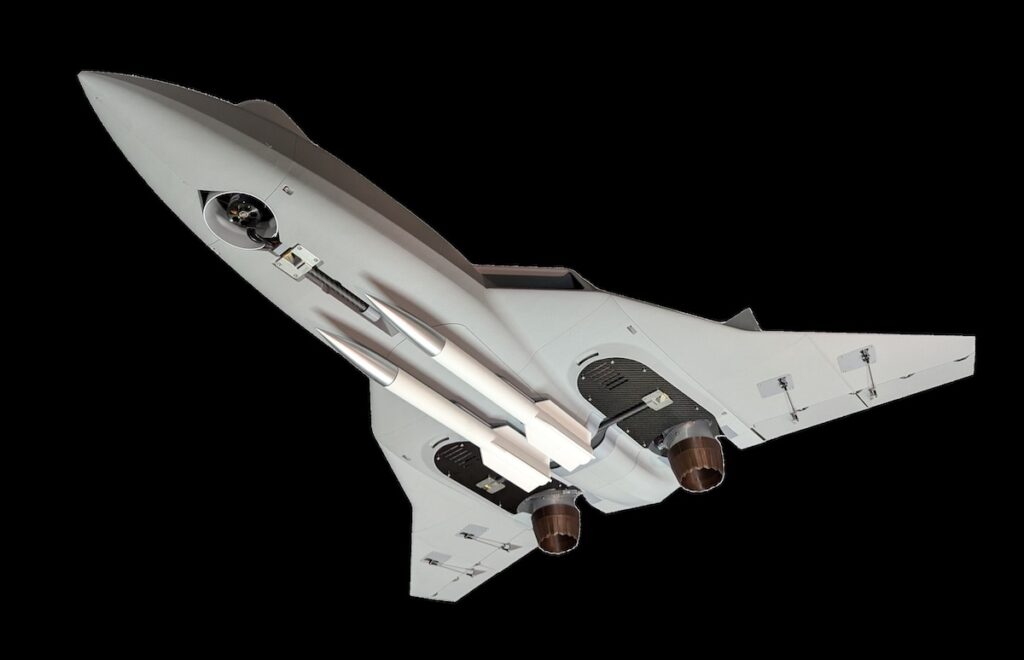
Operational management is handled through the Visual Realtime Area Monitoring command system, a portable laptop interface combining AI-powered data analysis with a control loop that retains human operators in the decision-making process. This operating system utilizes SmartVision AI-assisted visual navigation and anti-jamming technologies, including satellite communication via Starlink or Starshield, to maintain performance in contested electromagnetic environments. Designed and manufactured in the United States, the aircraft can deploy within minutes from mobile platforms such as trucks, ships, or other aircraft, and can integrate with long-range command-and-control systems and ground-based sensors.
“Our CobraJet™ on-board munitions are in fact low-cost attritable air-to-air drone interceptors that can be produced at scale in thousands per month using 3D printing and other efficient workflow methods without sacrificing quality,” said Nick Verini, President of SkyDefense, Inc.
The platform can also deploy as part of a multi-layer defense alongside short-range man-portable 40mm M32 or M79/M203 launched CUDA guided rounds and surface-to-air 55mm RAPTOR Mach 1.0 solid-propellant powered guided missiles that are rail or tube-launched. Counter-unmanned aerial systems field tests for the aircraft and its command system are scheduled for the fourth quarter of 2026 at a dedicated test site, with production expected to begin in the first quarter of 2027.