Detect and Avoid (DAA) Systems
Discover cutting-edge solutions from 8 leading global suppliers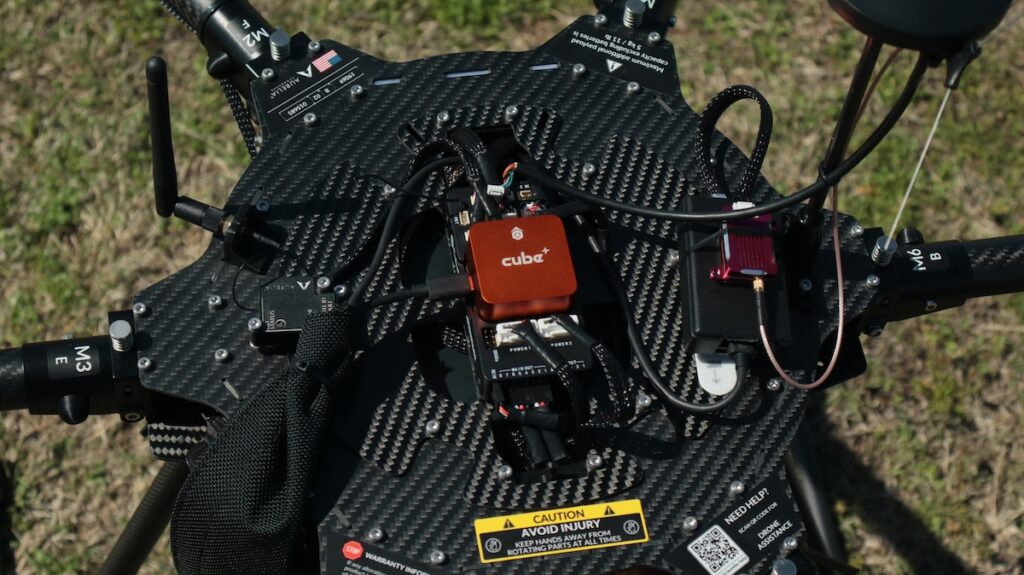
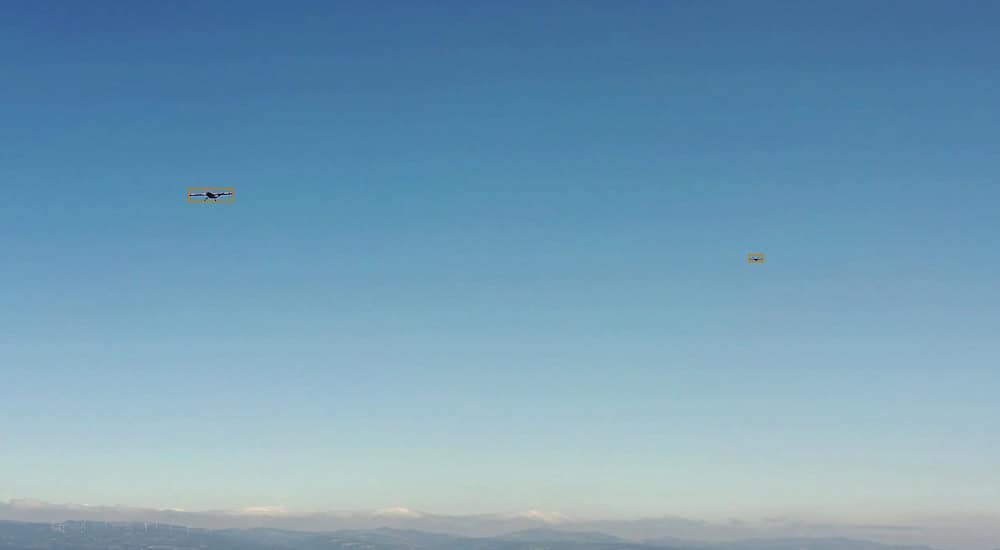
Vigilant Aerospace has completed a new round of flight tests and real-world demonstrations of its FlightHorizon PILOT onboard detect-and-avoid (DAA) system to validate new features and civilian and military capabilities.
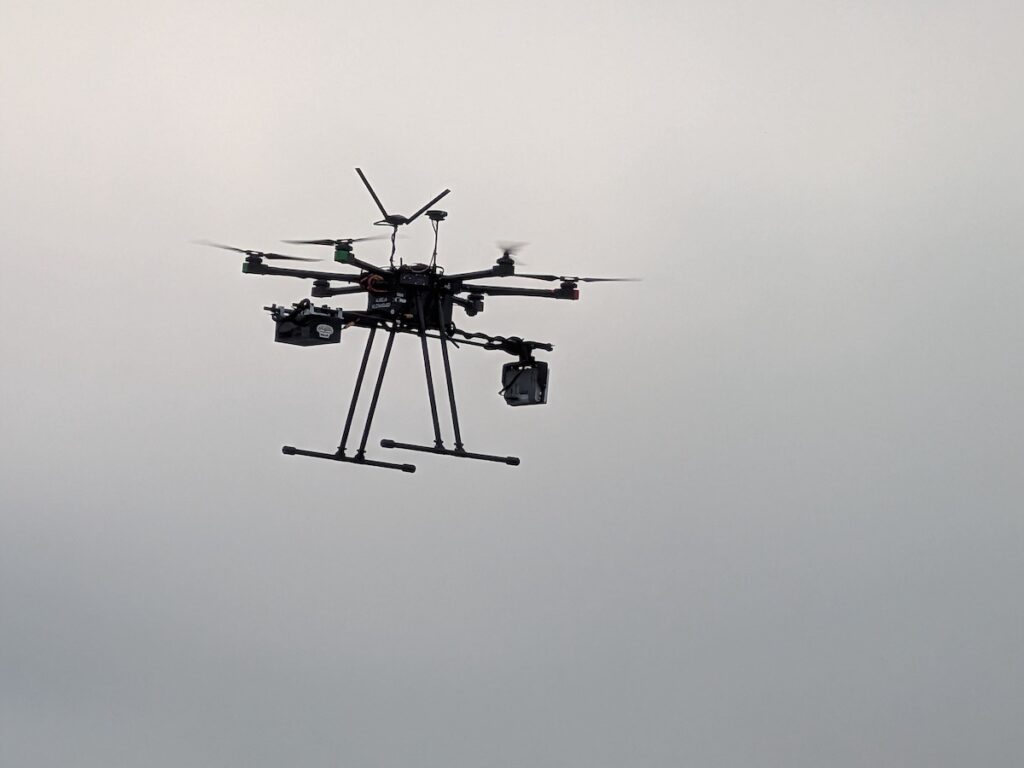
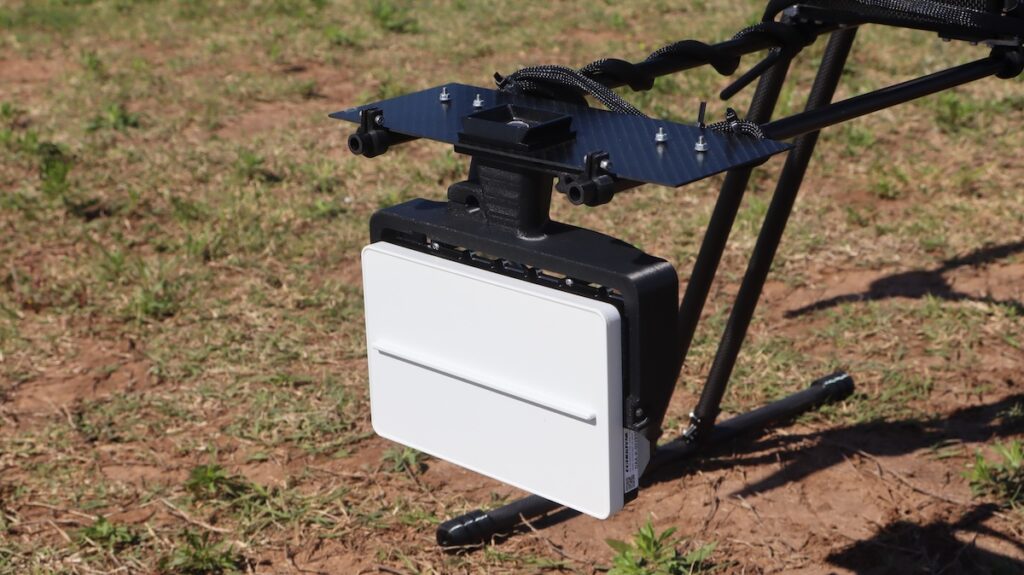
The flights evaluated both a lightweight civilian configuration featuring a transponder receiver and autopilot integration, and a heavier version incorporating onboard radar to detect aircraft lacking transponders. Conducted as part of a $1 million development project, this initiative is a collaboration with Oklahoma State University’s Oklahoma Aerospace Institute for Research and Education (OAIRE), supported by the Oklahoma Center for the Advancement of Science and Technology (OCAST) Industry Innovation Program (IIP). The dual-use system is based on two licensed NASA patents originally developed for the US Air Force under a Small Business Innovation Research (SBIR) contract.
“The future of aviation will largely be autonomous, which will require automatic onboard safety systems. The new rules and standards are emerging today that will set the requirements for integration of drones into the national airspace, so capabilities like those we are developing in FlightHorizon PILOT are designed to get ahead of the requirements and allow industry to being planning and preparing today,” said Kraettli L. Epperson, CEO of Vigilant Aerospace.
The onboard system consolidates detection, tracking, target correlation, and standards-compliant avoidance calculations onto a single-board computer optimized for low size, weight, power, and cost (SWaP-C). It utilizes FAA-provided ACAS-X algorithms to calculate alerts and transmit avoidance commands directly to the onboard autopilot, while secondarily feeding data to a ground-based moving-map viewer software for pilot supervision. Fleet operators can deploy the system without radar in cooperative airspace where transponders are mandatory, or with radar in non-cooperative airspace. Depending on the hardware configuration, the system logs air traffic data and supports compliance with industry technical standards such as RTCA DO-365C and ASTM F3442-25.
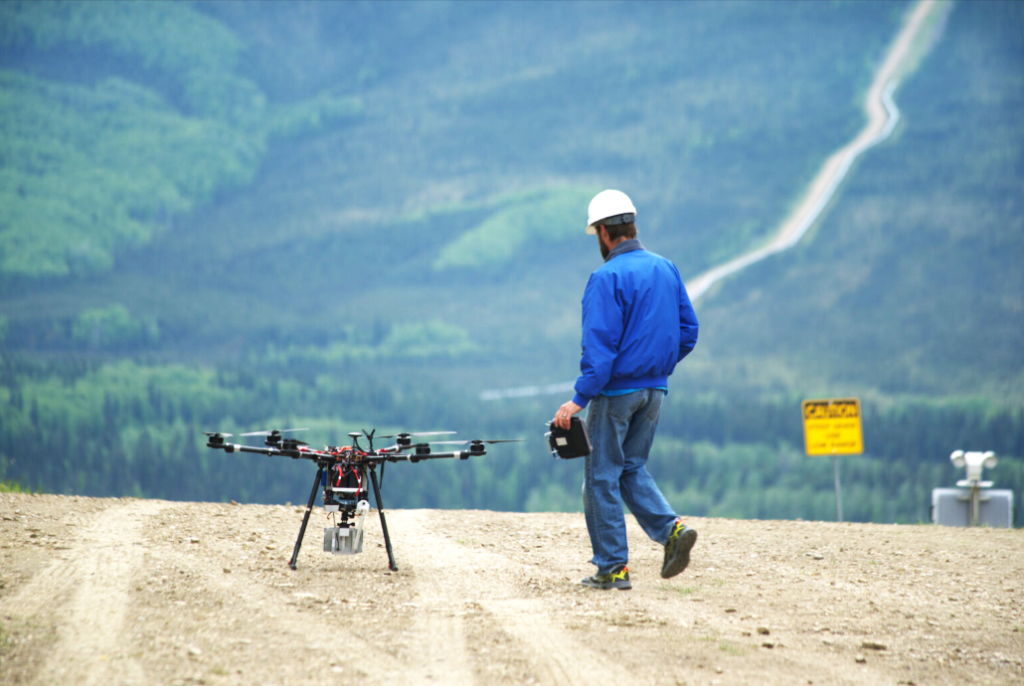
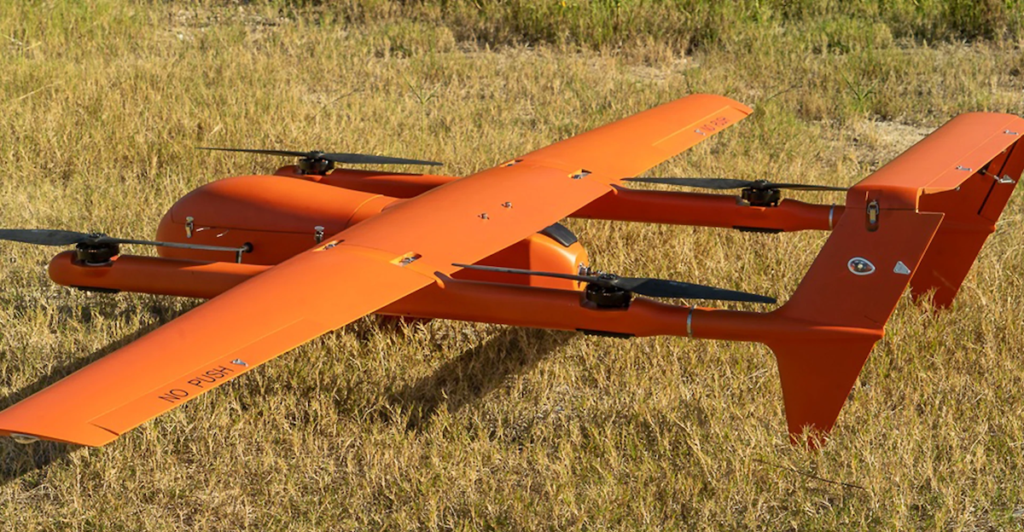
Initial testing utilized a National Defense Authorization Act (NDAA)-compliant Group I hexacopter drone to assess both radar and non-radar flights. Flight testing will soon transition to a larger Group II civilian fixed-wing drone powered by a gasoline engine, capable of carrying a 60-pound payload up to 300 miles. This platform is designed for long-distance operations including firefighting, search and rescue, critical supply delivery, and infrastructure inspection.
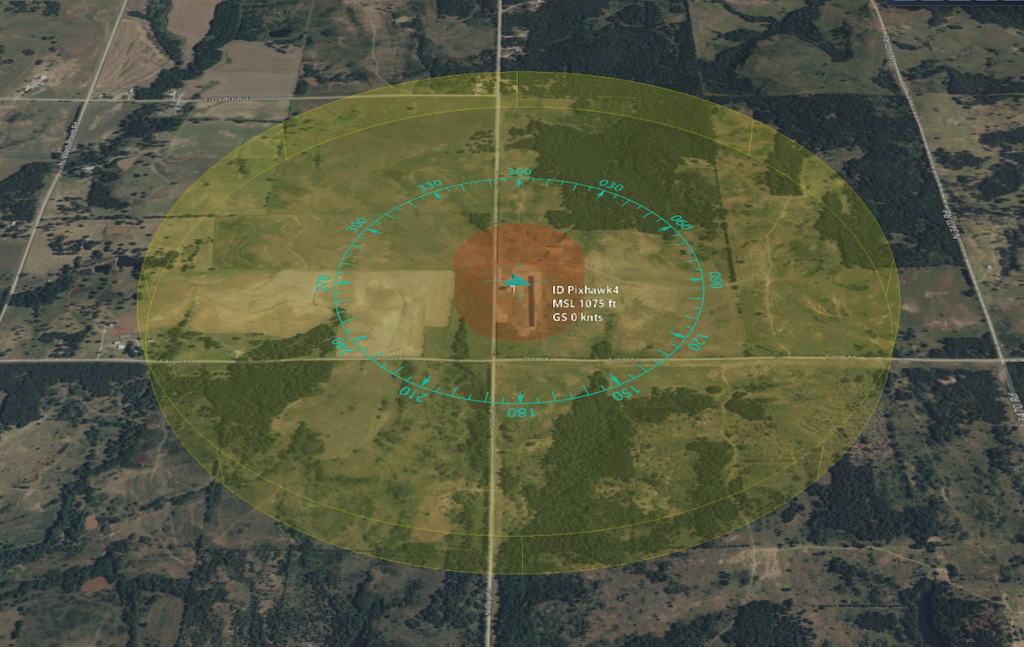
“These most recent flight test milestones help to provide a path to enabling the industry to execute safe beyond visual line-of-sight flight for both small and large UAS, with fully onboard safety systems,” Epperson said.
These developments coincide with the FAA’s publication of draft rules under Part 108, which would allow uncrewed aircraft systems (UAS) up to 1,320 pounds to routinely fly beyond visual line of sight (BVLOS) at low altitudes, a shift that necessitates autonomous safety systems to scale operations. FlightHorizon PILOT’s technology path includes prior FAA research contract testing along the Trans-Alaska Pipeline with the Alaska Center for Unmanned Aircraft Systems Integration (ACUASI), followed by an Air Force Research Laboratory (AFRL) SBIR Phase II project that integrated the DAA capability onto a Group V military UAS.