


Discover World-Leading Unmanned and Autonomous Technologies
Discover cutting-edge solutions from leading global suppliers
November saw strong reader interest in resilient navigation, accelerator-backed innovation, certified defense-ready platforms, and next-generation edge computing across the uncrewed systems sector. From compact alternatives to GNSS and Blue UAS-cleared first-person-view systems to rugged AI processing and autonomous deployment infrastructure, these five articles reflect the technologies shaping operational confidence, scalability, and autonomy across air and defense domains.
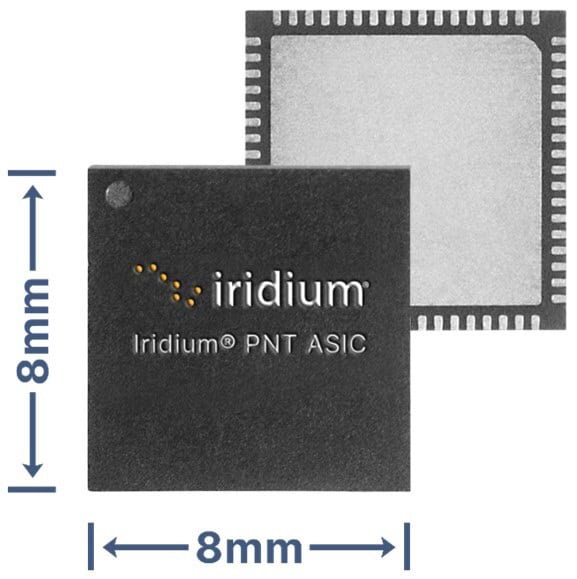
The most-read article on UST in November focused on a growing operational challenge: protecting timing and navigation data from interference. Iridium Communications’ launch of its miniature Iridium PNT ASIC captured attention as operators seek practical alternatives to increasingly vulnerable GNSS-based systems.
Designed to integrate directly into a wide range of electronic platforms, the 8 × 8 mm ASIC delivers authenticated, pole-to-pole Positioning, Navigation, and Timing data via Iridium’s global satellite network. The cryptographically secure signal is significantly stronger than GPS and capable of operating indoors, enabling systems to detect degradation and maintain operations during jamming or spoofing events.
While resilient navigation technologies led the way, the list also highlighted how innovation enters the market through structured acceleration and ecosystem support.
Momentum around early-stage uncrewed systems development continued with the announcement of the latest cohort of the GENIUS NY program, as five UAS startups began the year-long accelerator in Syracuse, New York. Operated by CenterState CEO and funded by Empire State Development, the initiative remains central to Central New York’s uncrewed systems ecosystem.

As the world’s largest accelerator dedicated to uncrewed systems, GENIUS NY combines direct investment with access to BVLOS airspace, advanced facilities, and a regional support network anchored by NUAIR. The diversity of this year’s cohort — spanning AI-enabled inspection, airspace monitoring, modular aircraft design, wildlife management, and autonomous swarm technologies — reflects the expanding scope of UAS development.
On the UAS front, attention also turned to defense-approved small drone platforms as Red Cat Holdings’ FANG™ FPV drone system was added to the Department of War’s Blue UAS Cleared List. The designation confirms that the complete system meets requirements for cybersecurity, supply chain integrity, and operational trustworthiness, enabling streamlined procurement by U.S. government customers.
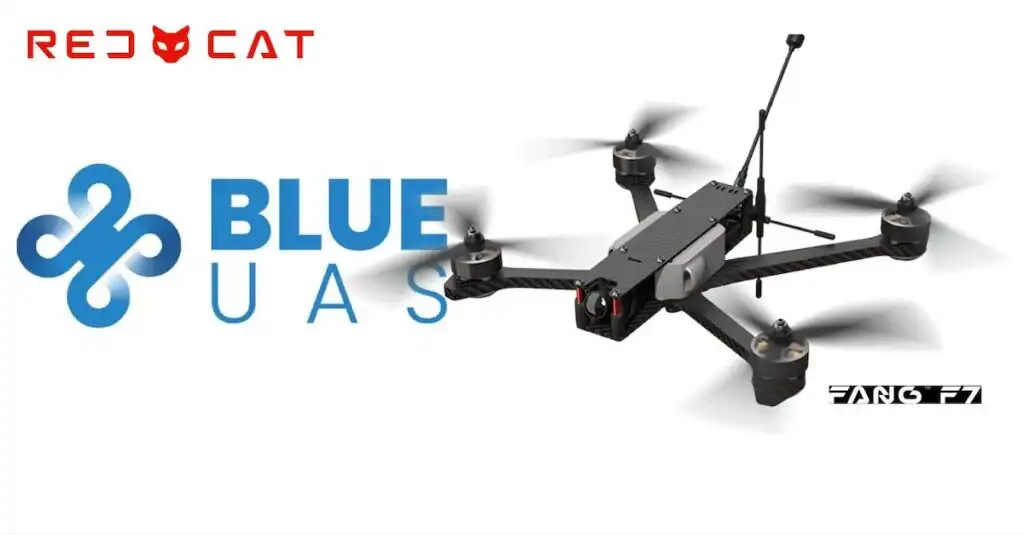
With full system-level certification and NDAA Section 848 compliance, the FANG platform can be acquired without additional waivers or cybersecurity reviews. Developed through a U.S. military lab and in partnership with UMAC, the approved configuration includes four integrated components and is available as either a complete system or a modular kit, reinforcing the growing role of FPV systems within defense and security operations.
Edge computing capability was also in focus with the introduction of a new 3U VPX Single Board Computer series from EIZO Rugged Solutions Inc., powered by the NVIDIA Jetson Thor platform. The Condor Thor 3U VPX family is designed for uncrewed systems, ISR platforms, and rugged environments where low-latency processing and SWaP efficiency are critical.

Engineered for data-heavy workloads, the Condor Thor 3U VPX series supports the ingestion and processing of multiple ultra-high-definition video streams, enabling advanced sensor fusion across radar and EO/IR systems. The Jetson Thor module combines a Blackwell-architecture GPU with a high-performance Arm CPU, along with dedicated accelerators for video and vision processing.
Aligned with SOSA® and VITA standards, the SBCs offer high-speed I/O and networking to support distributed sensor architectures. With customer engagements already underway, the platform reflects growing demand for scalable, AI-ready compute hardware at the tactical edge.
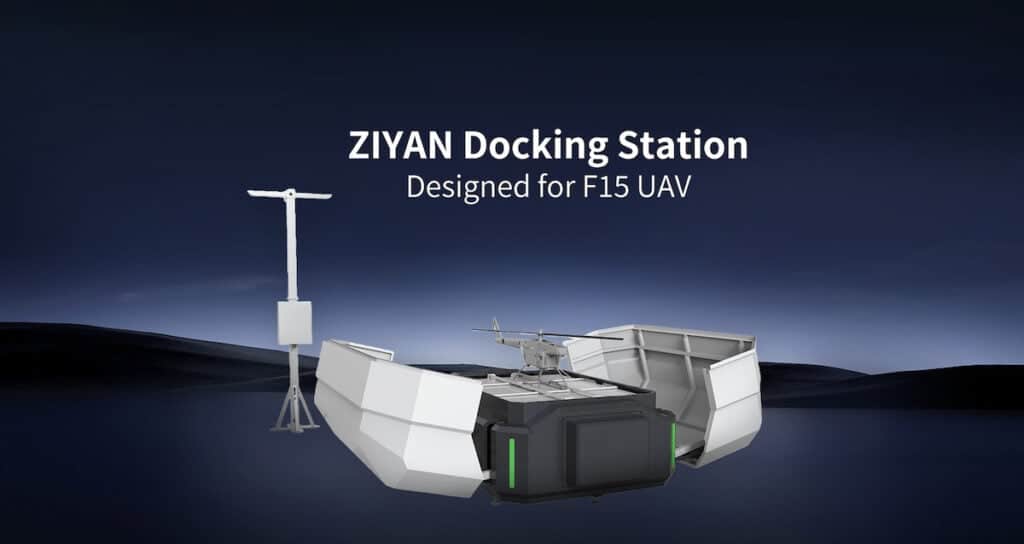
Rounding out November’s most-read stories, autonomous deployment infrastructure was showcased with the launch of a new UAV docking station from ZIYAN, developed specifically for its F15 long-endurance electric helicopter UAV. Designed to act as a permanent home base, the F15 Docking Station integrates precision autonomous landing, intelligent battery charging, data transfer, and real-time system monitoring to support sustained, remote operations.
Beyond providing physical shelter, the system functions as a remote command and control hub, automating routine operations while maintaining situational awareness. Its integrated meteorological mast combines environmental sensing, RTK positioning, communications, and perimeter awareness, underscoring the role of ground infrastructure in enabling safe, reliable autonomous flight.
Across navigation resilience, startup acceleration, defense certification, edge AI processing, and autonomous infrastructure, November’s most-read articles reflected an uncrewed systems sector focused on operational readiness and integration. Together, the selection highlights how emerging technologies are being aligned with real-world requirements, from secure positioning and trusted platforms to the compute and infrastructure needed to support autonomy at scale.