Discover World-Leading Unmanned and Autonomous Technologies
Discover cutting-edge solutions from leading global suppliers
On UST July 2025 was a month marked by propulsion systems development, next-generation payloads, and strategic defense milestones. Across the unmanned systems sector, technology advances converged on themes of sustainability, autonomy, and operational integration. Read about our top 5 articles below.
The most read UST article in July was news of a UAV concept combining solar, hydrogen fuel cell, and battery power in a single platform.
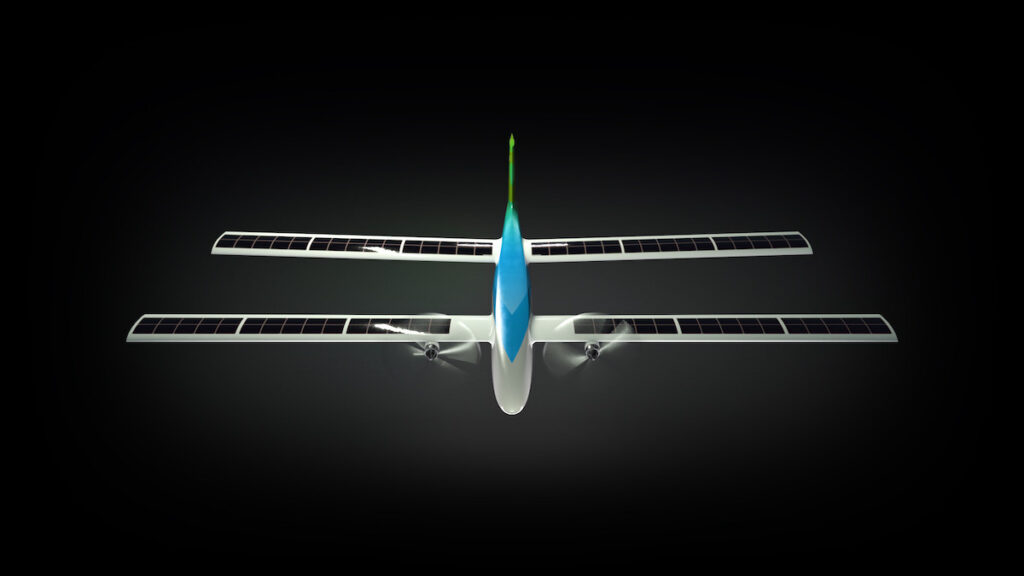
Being developed through a collaboration between XSun and H3 Dynamics, this tri‑brid approach leverages ultra-light solar PV cells, hydrogen-based energy storage, and advanced battery technology, all managed by an onboard microgrid system.
The aim is a UAV capable of significantly extended endurance with zero emissions, unlocking long‑range mission profiles for both civil and defense applications.
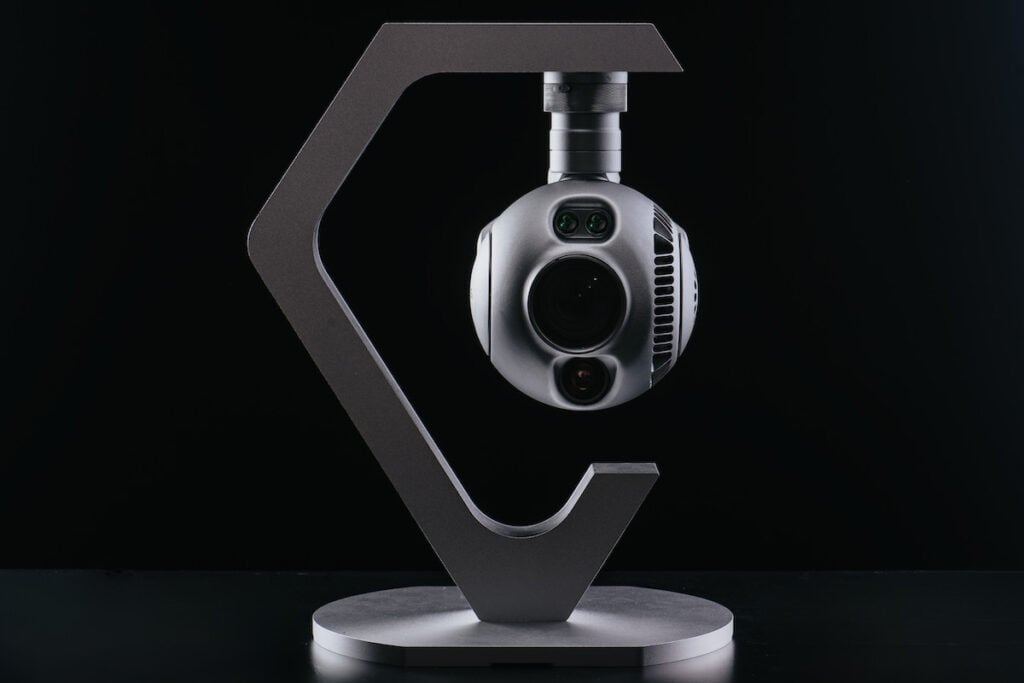
Two major announcements from payload innovator Gremsy also made our top 5. In one, the company unveiled the Orus L, it’a first spherical payload with advanced imaging and onboard AI. Compact yet highly capable, the spherical design supports continuous rotation while hosting embedded AI for real-time image analysis, making it well-suited to persistent surveillance, inspection, and reconnaissance roles.
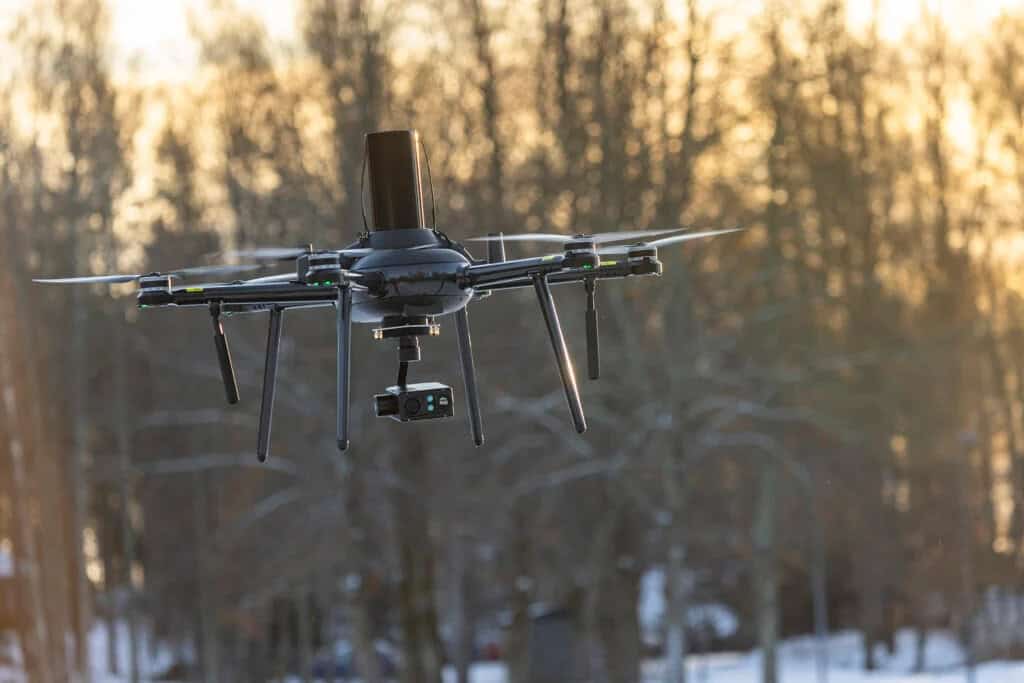
Gremsy also announced a collaboration with Nokia to enhance drone‑in‑a‑box operations. By integrating Gremsy’s stabilized gimbal technology with Nokia Drone Networks’ autonomous drone station systems, the partnership aims to deliver more efficient, remotely managed payload operations in applications ranging from infrastructure inspection to emergency response.
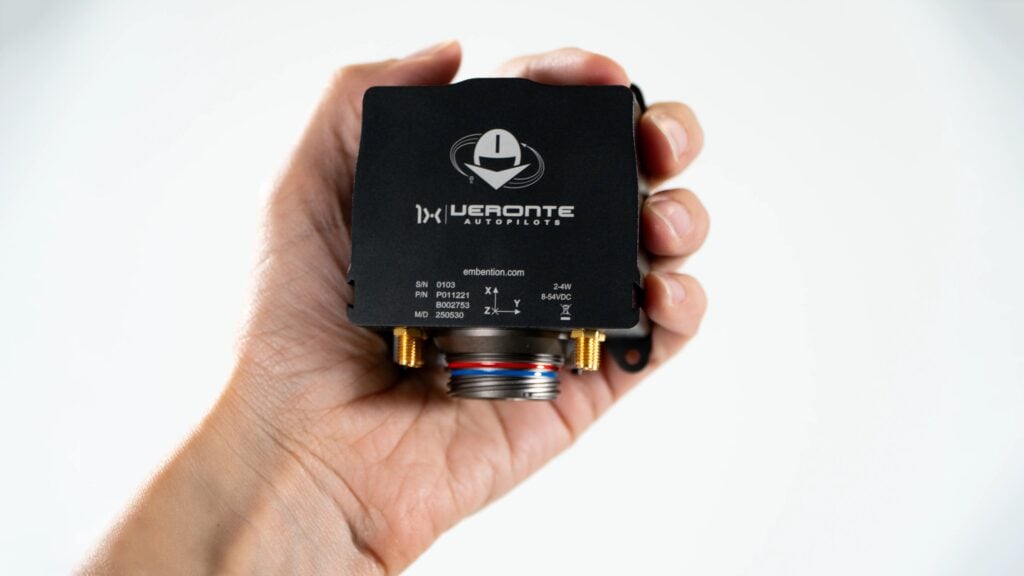
On the autonomy front, Embention revealed the Veronte Autopilot 1x 4.12 a powerful upgrade to the autopilot system for UAVs, offering greater processing capability, expanded sensor compatibility, and improved flight control algorithms. Designed to accommodate AI-driven perception stacks, update by Embention strengthens both the reliability and adaptability of unmanned aircraft across a variety of mission sets.
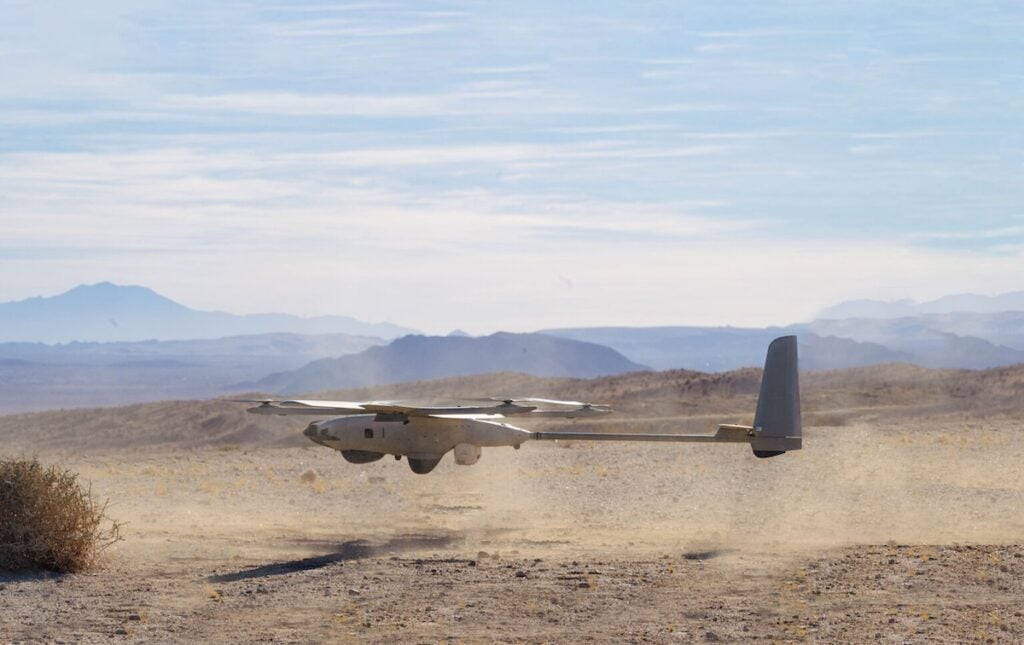
Rounding out July’s most-read stories on UST was the news that the Stalker UAS has been added to the U.S. Defense Innovation Unit’s (DIU) Blue List of approved drones. This designation signals to government and defense users that the Stalker UAS, developed by Edge Autonomy, part of the Redwire Corporation, meets stringent standards for security, performance, and operational safety, paving the way for broader adoption in U.S. military and allied operations.
From advanced UAV power systems to AI‑powered payloads, the unmanned industry never stands still. Visit Unmanned Systems Technology for the stories, insights, and updates that matter most to operators, developers, and decision‑makers.