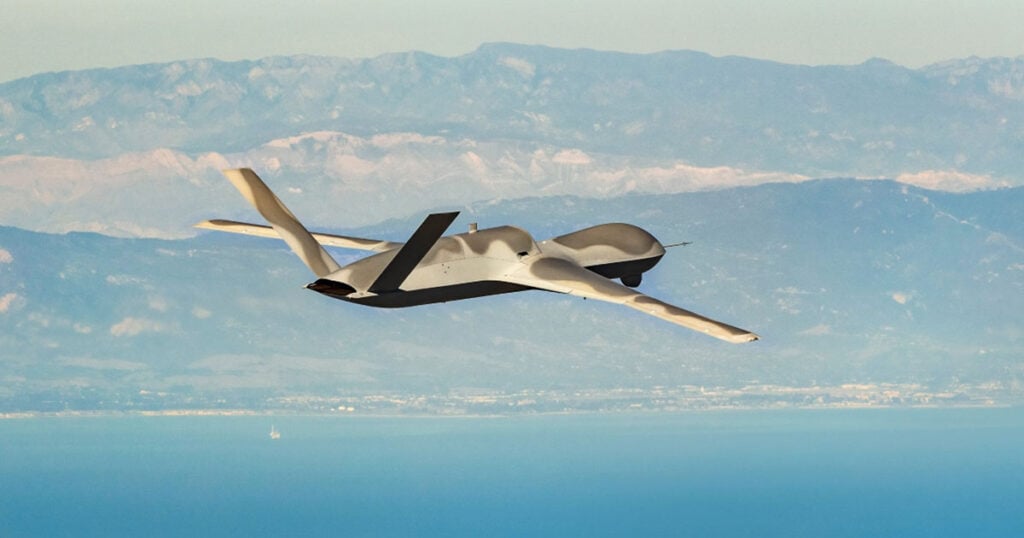
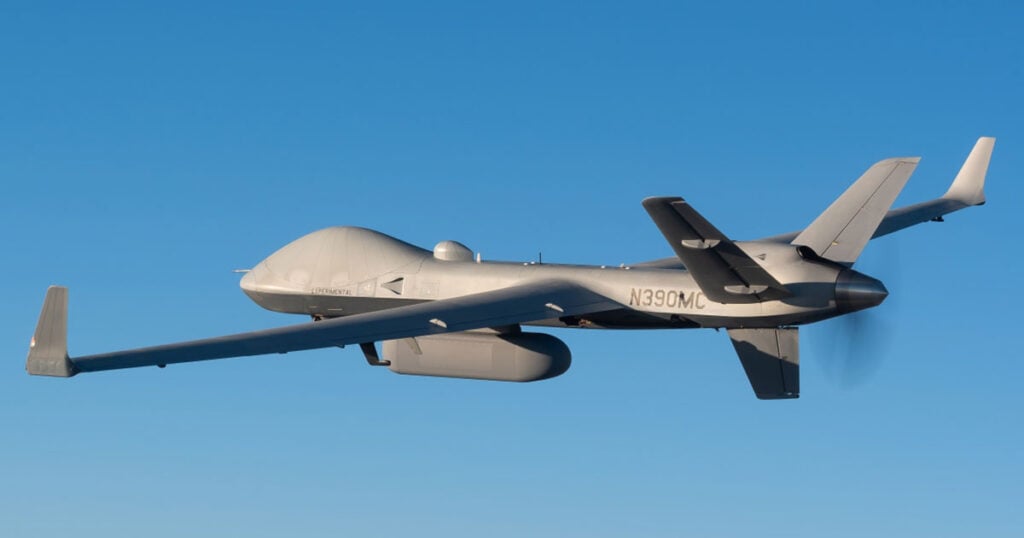
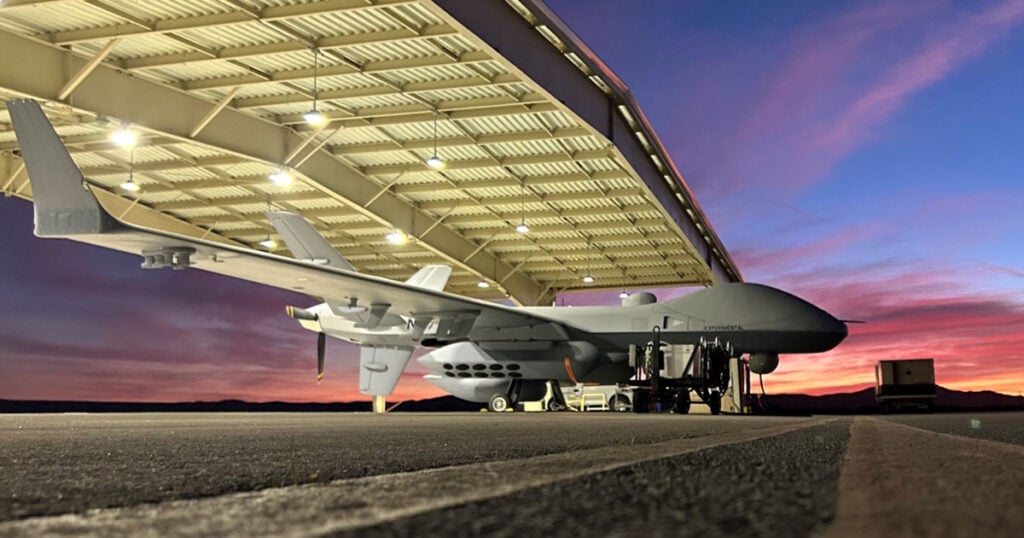
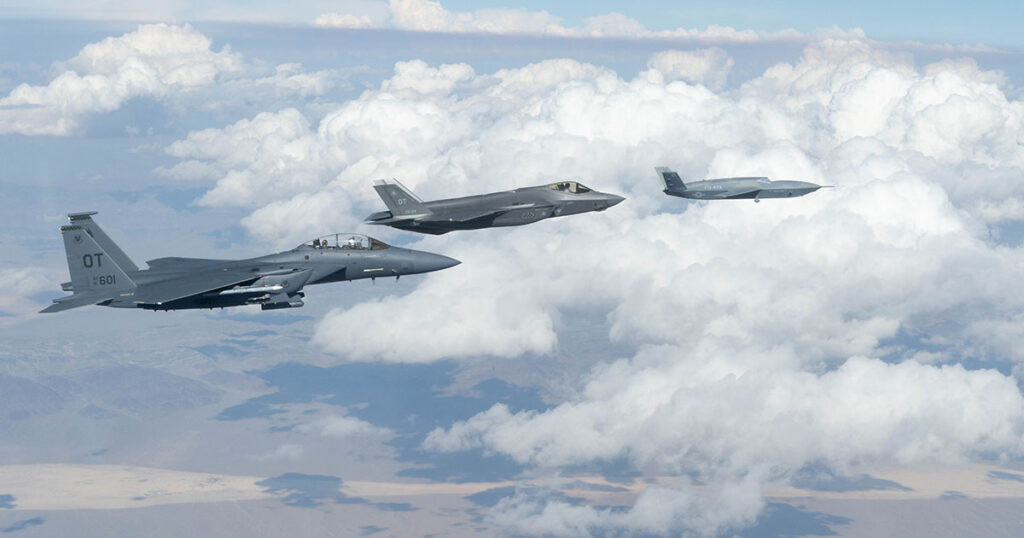
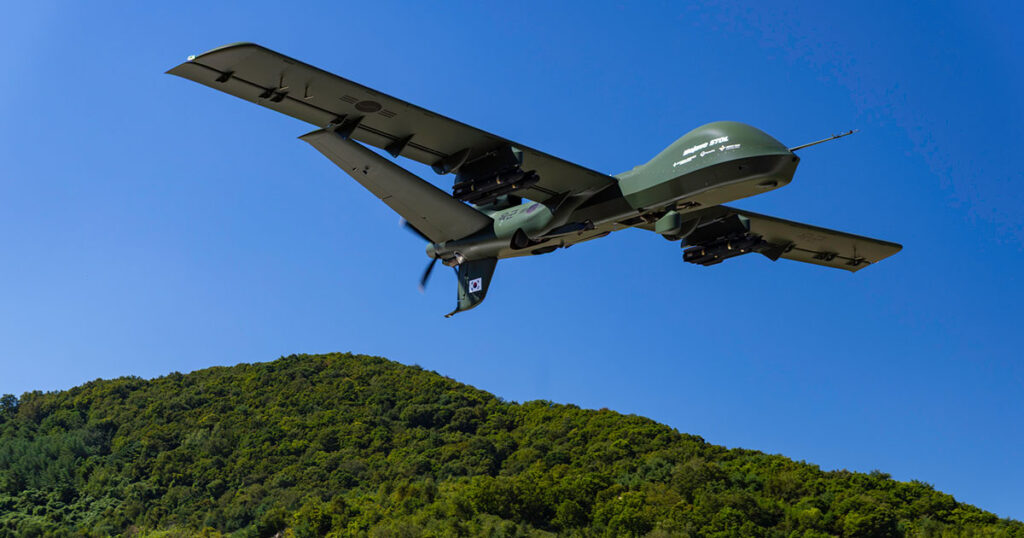
The XQ-67A, a second-generation Autonomous Collaborative Platform (ACP) developed by General Atomics Aeronautical Systems, Inc.(GA-ASI) under contract for AFRL, has completed a test flight in the Californian High Desert, furthering AFRL’s objectives for integrated mission systems.
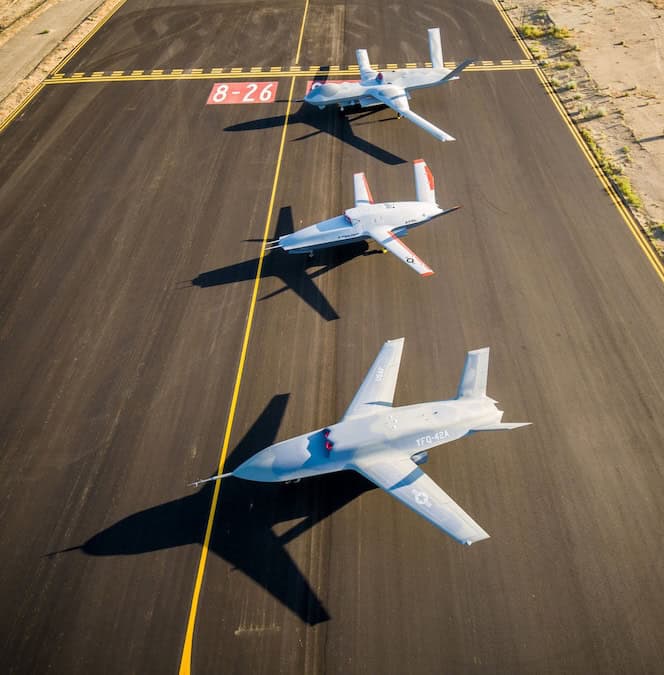
The flight showcased the combination of government-owned autonomy with active tactical datalink communication infrastructure. The event marked a crucial step in advancing scalable, modular autonomy and interoperable crewed-uncrewed teaming (C/U-T).
The XQ-67A tested and confirmed the integration of mission systems on the aircraft, such as autonomy, mission computing, networking, power and thermal management, and datalinks during the flight.
Through a tactical datalink, the aircraft received real-time updates and situational data, enabling seamless coordination with crewed aircraft and other autonomous, uncrewed systems in the future.
Mike Atwood, Vice President of Advanced Programs for GA-ASI, stated, “This successful test underscores the Department’s commitment to fielding autonomous systems that can integrate into joint operations using existing tactical networks. Government owned autonomy on the XQ-67A is a concrete step toward deployable, combat-relevant autonomy that works with and alongside crewed platforms”.
The aircraft importantly helps explore the platform sharing approach to achieving scalable affordable mass. Its flight performance advances the Air Force’s vision for an integrated autonomous force which can support and augment current and future crewed platforms.